

09.13.2026- Pentecost 16 - Kris Perkola
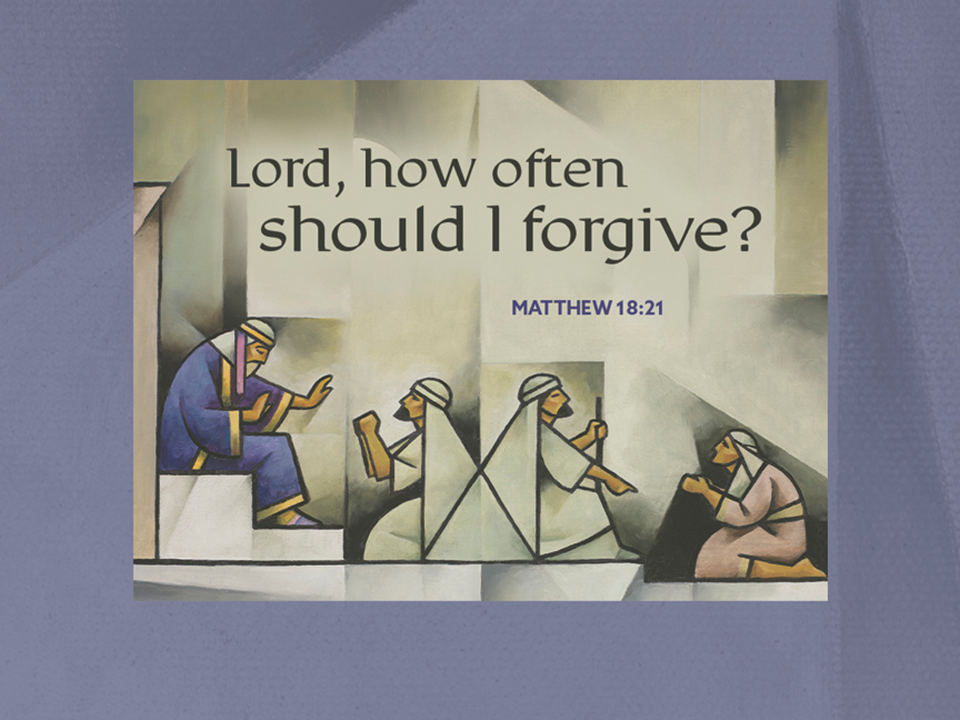
In this passage, Jesus tells a parable about the importance of forgiveness involving a slave eager to seek and accept forgiveness, while being unwilling to grant it to others. Before this parable, Peter asks Jesus how many times he should forgive someone who wrongs him. Peter guesses seven times, assuming that he is being very generous. Jesus however states that Peter must forgive “seventy-sevent” times, or an unlimited amount.
To drive home his point, Jesus tells the parable of the unforgiving servant in this passage. The parable is quite memorable for its main character’s hypocrisy (always a bugbear for Jesus) and for the scale of the debt involved. The main slave in the story is probably more akin to a high minister for the king. Even at that status, his debt is simply impossible to have been accrued. 10,000 talents is an unfathomable amount of money at the time. Imagine somehow ending up in tens of billions of dollars of debt to your boss, and you’ll begin to understand how outlandish this parable’s premise is.
Given how ridiculous the beginning of this parable is, are we supposed to take it seriously? I think that it is meant to be a bit tongue-in-cheek. The king of the story is meant to be a barbarous gentile king. Only gentiles would take your whole family as slaves for a debt or have you tortured for it! Given that these are not things that would happen to you for a debt (even an impossible debt like this one) in Jewish society, I don’t think Jesus wants us to think that God is preparing to do these things to us in any literal sense.
I do think that Jesus wants us to take the spirit of this parable seriously, however. If God wanted to, God could easily reckon our debt to God as infinite and impossible to pay off. Given that God forgives us this infinite debt, should we not also forgive those who wrong us comparatively little? The main character in the parable is prepared to choke out a man for owing him only 100 denarii, or like a few grand. That’s waaaay less than tens of billions!
This parable is meant to put a portion of the Lord’s Prayer into vivid relief: “Forgive us our tresspasses, as we forgive those who trespass against us.” In this petition, we not only ask God to forgive us, but to help us be more forgiving of others, and even for God to hold us accountable when we fall short of that goal. Let us strive to never be unforgiving servants of our Lord!